

Mastering Shooting Practice: Easy Tips for Better Accuracy
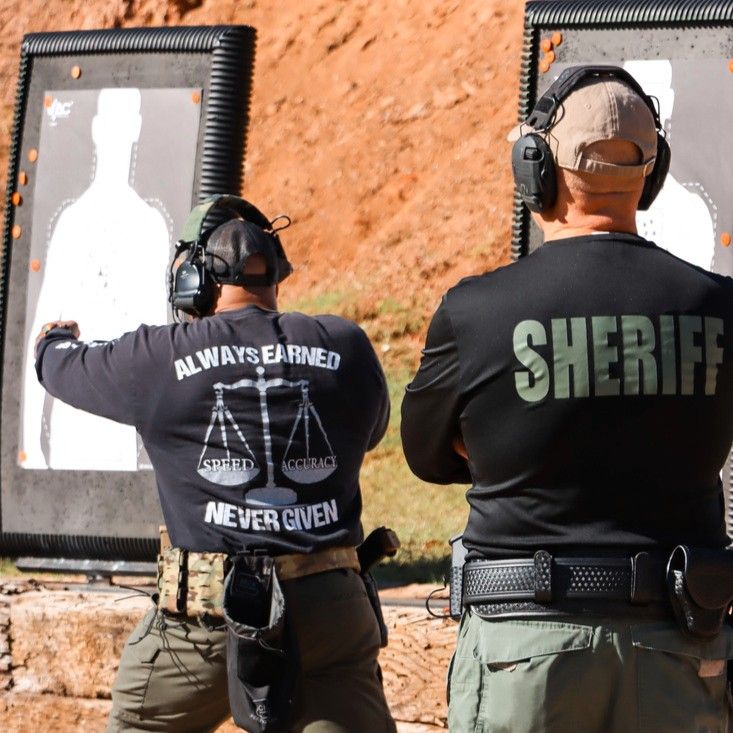
If you want to improve your shooting skills, then shooting practice is the single most important habit you can build. Most shooters try to become better by buying expensive gear, but the real progress usually comes from slow, consistent range time. In this guide, you’ll learn helpful tips to make your shooting practice smoother, safer, and a lot more fun. Whether you’re using a Glock, a .22 LR rifle, or something else entirely, these strategies help you feel more confident every time you step onto the range.
For internal tips on firearms and accessories, you can explore resources like TacticalGlock.ca (internal link). For safety and training standards, the Canadian Shooting Sports Association offers useful guidance (outbound link: https://cssa-cila.org).
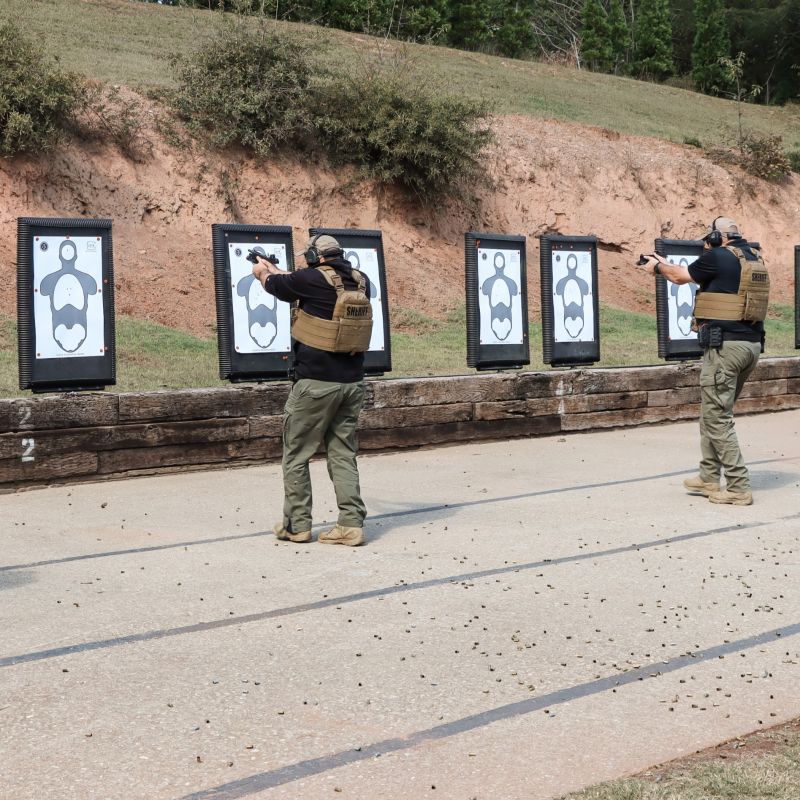
Warm-Up Habits That Make Shooting Practice Easier
Many shooters walk into the range cold and immediately start blasting at their target. This usually leads to sloppy form and wasted ammunition. You can warm up your body—and your mind—before shooting.
Start by practicing your grip pressure without loading your firearm. Keep your shoulders relaxed and focus on feeling stable. You can also perform slow trigger presses using dry fire practice, which helps you recognize trigger movement without recoil. Dry fire practice is one of the best techniques to improve accuracy, and you can do it almost anywhere with proper safety checks.
Another warm-up method involves doing a few minutes of visualization. Imagine your stance, see your sight alignment, and picture your shots landing exactly where you want them. Visualization boosts mental focus and improves consistency during live shooting practice.
Choosing the Right Gear for Better Results
Your shooting practice becomes much more enjoyable when you have gear that fits your needs. You do not need the most expensive setup, but you should prioritize comfort and reliability.
Invest in a proper pair of shooting glasses, comfortable ear protection, and a good range bag. If you shoot handguns, you might also consider using a model that’s known for dependability, like the Glock lineup. You can learn more about specific models on websites that review pistols, such as TacticalGlock.ca/models
For cleaning and lubrication tips, consult trusted firearm maintenance guides from manufacturers like Glock, Smith & Wesson, or SIG Sauer. Their official pages offer straightforward instructions that support long-term durability and safety. (outbound link: https://us.glock.com)
Testing different ammunition types also helps you understand your firearm’s preferences. Some shooters find that their handgun performs best with heavier grain bullets, while others prefer lightweight rounds. Treat your ammo testing as a small experiment and note how each type feels and groups on paper.
Fun Drills That Make Shooting Practice More Exciting
Shooting practice does not have to be repetitive or stale. You can use simple drills to improve speed, accuracy, and reaction time while still having fun.
1. The One-Shot Reset Drill
This drill helps new shooters slow down and focus on their trigger press. Fire one shot, pause, check your sights, then fire again. It builds consistency and prevents rushing.
2. The Controlled Pair Drill
Fire two shots in quick succession while keeping your sight picture stable. This helps you manage recoil and find your rhythm.
3. The Walk-Back Drill
Start close to the target, fire a five-shot group, then take a step back. Repeat until you reach your maximum comfortable distance. This drill builds confidence and accuracy gradually.
4. The Shot Timer Challenge
Using a shot timer adds pressure that feels realistic and exciting. You can challenge yourself with faster draw times or quicker follow-up shots. Many competitive shooters rely heavily on shot timers because they expose weaknesses you may not notice during slow shooting practice.
Improving Your Shooting Practice With Consistent Tracking
Keeping a logbook is one of the easiest ways to grow faster. Write down what firearm you used, what drills you performed, and what improvements you noticed. Over time, you can look back and clearly see your progress.
Tracking also makes troubleshooting easier. If you struggle with low-left shots, for example, you might discover a pattern that relates to grip tension or trigger control. Use your notes as a guide during future shooting practice sessions.
Final Thoughts
You don’t need to be a professional to enjoy meaningful improvements from shooting practice. You just need patience, consistency, and a willingness to learn small habits. With warm-up routines, fun drills, thoughtful gear choices, and simple tracking, you can experience smoother and more rewarding range days. The more you shoot, the stronger your skills become—and the safer and more confident you feel overall.
If you want more gear advice or Glock-specific tips, explore TacticalGlock.ca for articles and resources that help you choose the best tools for your training.
Posts Widget
-
1

-
2

-
3
-
4


Copyright 2022 © TacticalGlock. All right reserved.
